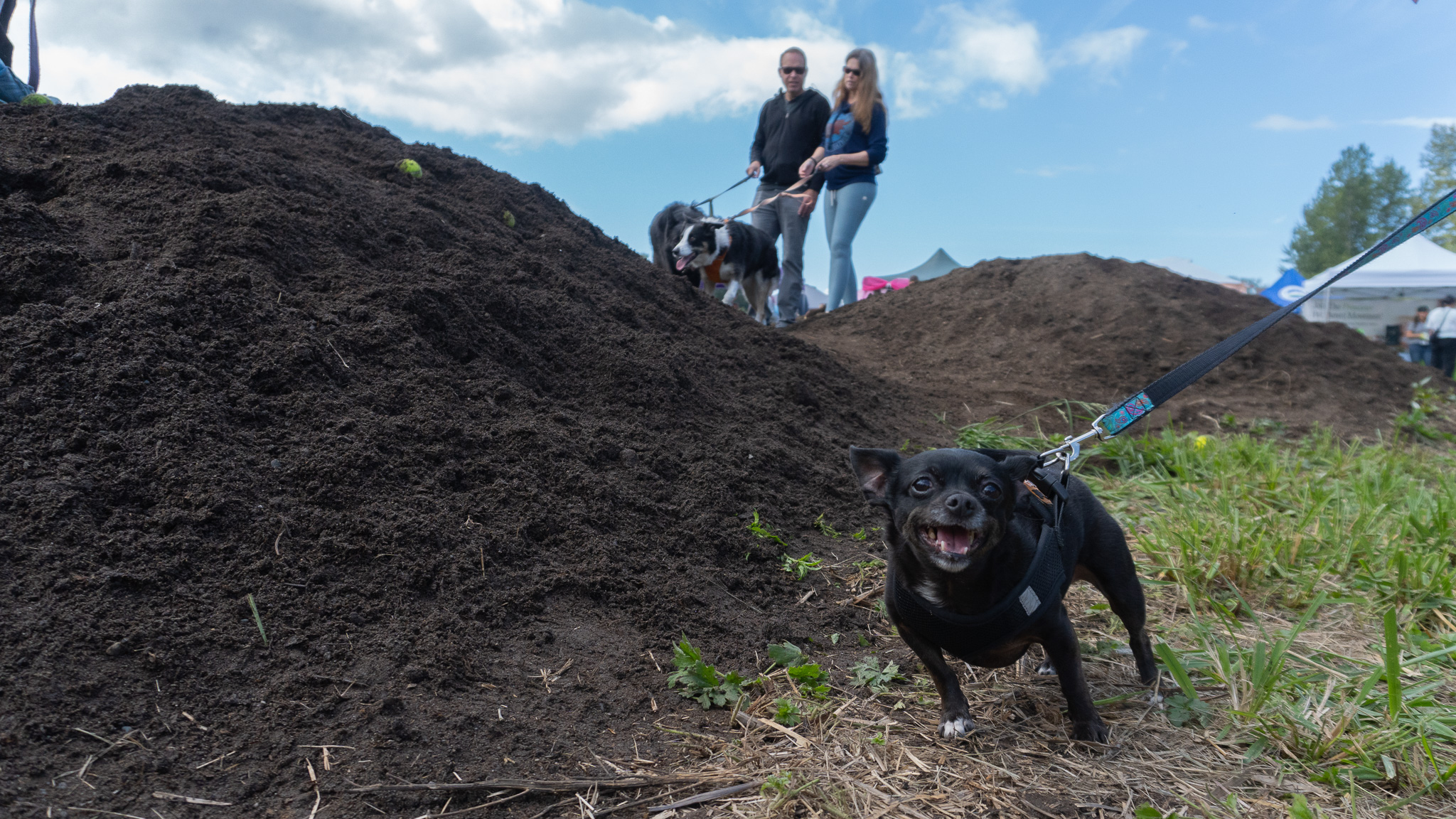
April brings longer days and warmer temperatures to Whatcom County, prompting many pet owners to spend more time outdoors with their dogs and cats. While spring activities offer exercise and enrichment, veterinarians say the season also introduces new risks that can threaten pet health if owners are not prepared.
One common concern in spring is increased exposure to wildlife. As animals become more active after winter, pets may encounter raccoons, skunks or deer, especially during walks or time spent in yards. These encounters can lead to injuries or exposure to diseases. Keeping dogs leashed during walks and supervising pets outdoors can reduce these risks.
“Spring has sprung, and that means you and your pets want to get back out there, ensuring they are properly vaccinated against zoonotic diseases like leptospirosis, having your pet on current parasite preventative and keeping them on a leash while the wildlife is waking back up is the most proactive ways to keep you and your pets happy and safe. Contact your local veterinary office today for the appropriate vaccines, testing and parasite preventatives for the warmer months!”
Spring also marks the return of toxic plants and garden hazards. Certain flowers, bulbs and fertilizers can be harmful if ingested. Pet owners are encouraged to research plants before adding them to gardens and to store lawn and garden chemicals securely. Even small amounts of some products can cause serious health issues if pets come into contact with them.
Warmer weather can increase the likelihood of parasites such as fleas and ticks. These pests are commonly found in grassy or wooded areas and can transmit diseases to pets. Veterinarians recommend maintaining consistent parasite prevention throughout the year, particularly as outdoor activity increases in spring.

Another seasonal risk involves water exposure. Ponds, creeks and standing water may contain harmful bacteria or parasites. Pets that swim or drink from untreated water sources can become ill. Monitoring pets around water and providing fresh drinking water during outings can help prevent problems.
Changes in activity levels can also lead to injuries. Pets that are suddenly more active after a relatively sedentary winter may be at higher risk for sprains, strains or paw injuries. Gradually increasing exercise and checking paws for cuts or debris after outdoor adventures can help prevent discomfort and injury.
Veterinarians at Whatcom Veterinary Hospital say spring is a good time to schedule wellness visits to address seasonal risks and ensure pets are up to date on vaccinations and preventative care.
By staying aware of spring-specific hazards and taking preventative steps, Whatcom County pet owners can help their pets enjoy the outdoors safely and stay healthy throughout the season.