By ROD McGUIRK Associated Press
MELBOURNE, Australia (AP) — Australia’s recorded music industry will bar tracks wholly generated by artificial intelligence from official charts as burgeoning generative technologies threaten artists’ livelihoods, a representative said on Tuesday.
The crackdown comes as a variation of Madonna’s pop hit “Like a Prayer” created by an Australian producer using AI-generated vocals and drums has spent 16 weeks in the Australian top 20, stoking debate about generative AI’s place in music. It peaked at number two on the Australian Record Industry Association’s top 20 Australian singles chart in May and remained in fourth place on Tuesday.
Wholly AI-generated tracks will be banned from the ARIA charts from Monday next week, but some AI-assisted music will remain eligible, an ARIA statement said.
Tracks can be eligible only if “humans wrote the song and performed the lead vocal and the primary instruments,” among other requirements, the statement said.
AI-generated music would also be ineligible for the Australian industry’s prestigious ARIA awards.
ARIA chief executive Annabelle Herd said: “These changes reflect our intent to remain dynamic and promote the human nature of artistry in what is — to say the least — a rapidly developing space.”
“The ARIA Charts will always remain a transparent measurement of the music Australia consumes, but a chart that rewards unlicensed AI output would undercut the very basis of the recorded music we exist to represent,” Herd added.
Eligible music must also be produced using legal AI services. Music was appearing on streaming services that had apparently been developed with AI tools trained on artists’ music without authorization.
The Australian rules are in step with new principles released in July by the London-based International Federation of the Phonographic Industry. The federation represents the recording industry worldwide.
The international guidelines state that to qualify for official music charts, a track must be “substantially human made.”
Sydney Conservatorium of Music composer and lecturer Alexis Weaver told Australian Broadcasting Corp. the debate around AI in music was “exceptionally fraught and very emotional for a lot of musicians and so everyone will have a different opinion.”
Weaver applauded ARIA’s move as a “wonderful step forward” that sent a message ARIA wanted to “prioritize and value human creativity.”
“It can be quite hard to avoid AI tools in the current landscape,” Weaver said. “There is a way to use it while you’re still steering the ship and making the main creative choices.”
News
Australia’s music industry bans AI-generated tracks from official charts
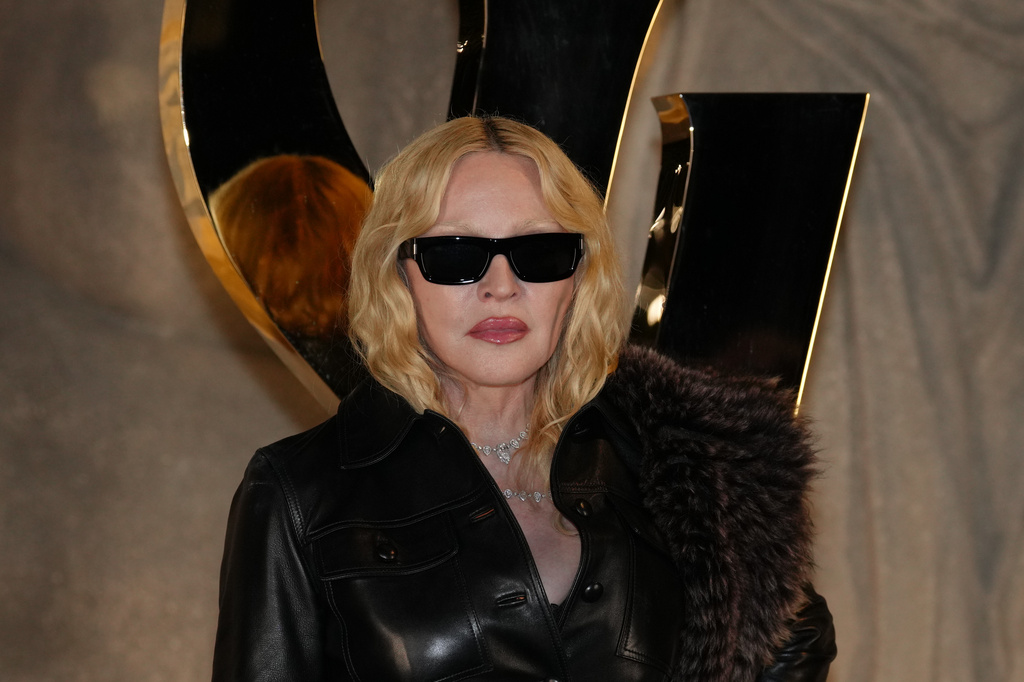
FILE - Madonna poses before the Saint Laurent Spring/Summer 2026 collection presented in Paris, on Sept. 29, 2025. (AP Photo/Aurelien Morissard, File) Photo: Associated Press